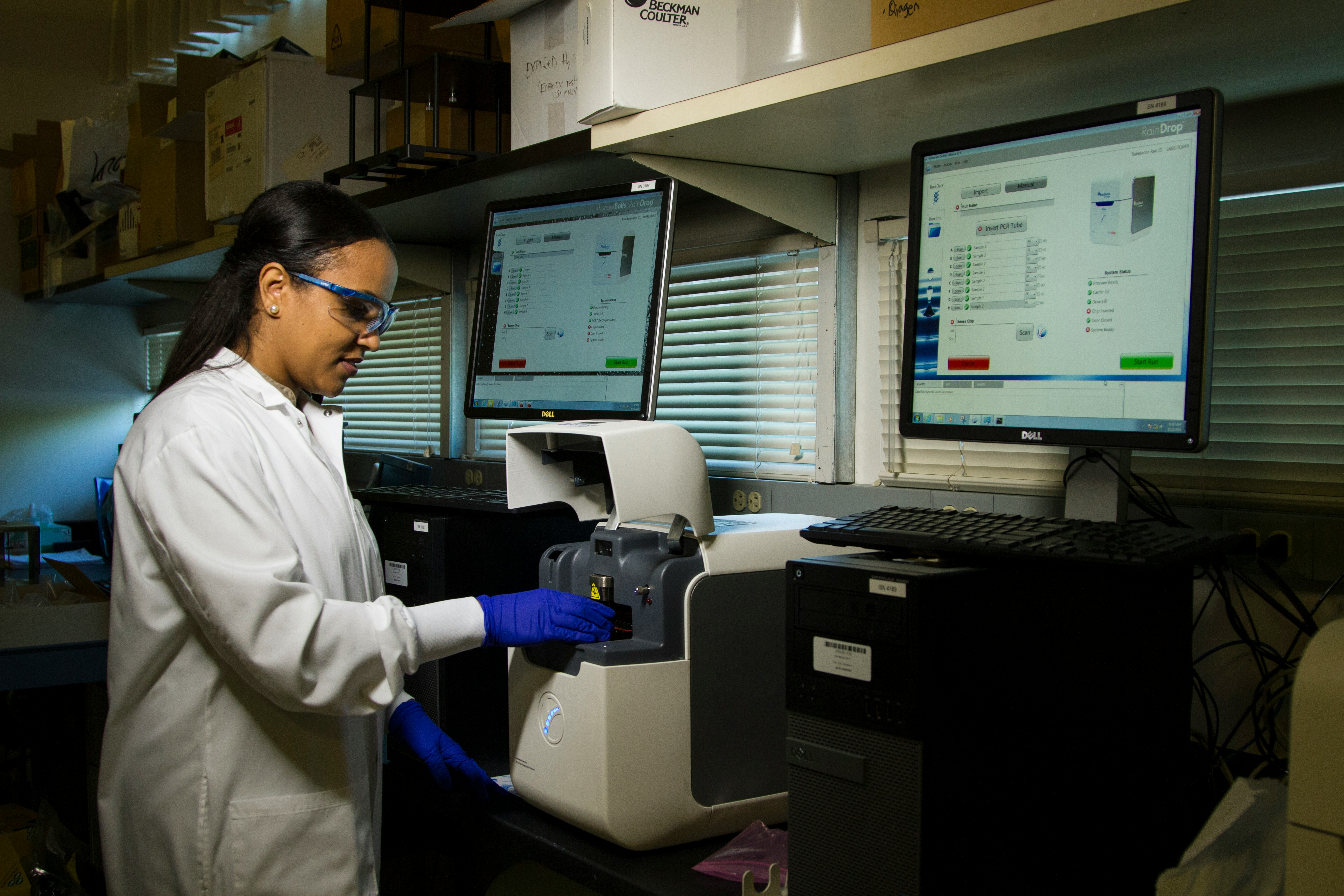
A global consumer health manufacturer operates a complex network of production facilities responsible for some of the most recognized over-the-counter health brands in the world. With products that millions rely on daily, operational continuity is inseparable from consumer trust.
During a corporate separation initiative, the organization faced a pivotal moment. It needed to establish a standalone operational technology environment while maintaining uninterrupted production and strict regulatory compliance. This was not simply a technical project. It was a foundational transformation.
The organization partnered with CoreX to establish ServiceNow as the system of record for operational technology and to create a scalable governance model across its manufacturing footprint.
Challenge
The separation introduced structural and operational complexity. The organization needed to disentangle legacy infrastructure while ensuring manufacturing environments remained stable and compliant.
Central IT teams had limited visibility into shop-floor systems. Asset records were fragmented across local spreadsheets and engineering tools. OT environments operated as “black boxes,” largely outside enterprise governance models.
Compounding this complexity were strict GxP and quality requirements. Any change to manufacturing systems required clear documentation, traceability, and controlled execution. Leadership faced pressing questions:
-
Which OT assets were in scope under the new organization
-
How to establish a trusted inventory across global sites
-
How to integrate OT into enterprise ServiceNow governance
-
How to maintain regulatory rigor while modernizing
Without a unified OT system of record, the organization risked operating on partial visibility during a critical period of transformation.
Solution
CoreX approached the engagement as a foundational program rather than a traditional implementation. The objective was clear: establish an OT visibility baseline that could scale across sites without disrupting operations.
OT Foundation and Architecture
ServiceNow Operational Technology Management was implemented as the platform backbone. The ISA-95 industrial hierarchy was defined to structure assets by enterprise, site, area, and production line. This ensured alignment with real-world manufacturing operations rather than abstract network constructs.
Claroty was integrated through a Service Graph Connector, enabling automated ingestion of shop-floor asset data into the CMDB. MID Servers were deployed to securely bridge OT networks with the ServiceNow cloud, ensuring compliant connectivity.
Governance and Operational Enablement
OT-specific Incident Management workflows were configured to distinguish factory incidents from traditional IT tickets. Basic OT Vulnerability Response capabilities were implemented, allowing CVEs detected to be correlated directly to governed assets.
The data model was intentionally structured to separate corporate IT assets from industrial OT equipment, preventing unintended patching or operational disruption. This created a governed, production-safe model rather than a simple data import.
Results
By the conclusion of the initial phase, the organization had achieved a durable foundation.
-
A centralized, governed OT inventory within ServiceNow
-
Clear separation between IT and industrial OT environments
-
Automated ingestion of production asset data from Claroty
-
The ability to correlate global vulnerabilities to specific factory assets
-
A scalable ISA-95-aligned template for onboarding additional sites
Security teams gained the ability to assess exposure to emerging threats in minutes rather than weeks. Manufacturing leaders gained visibility without sacrificing operational stability. Regulatory traceability improved through structured asset governance.
The pilot site became the preferred template for global rollout, enabling standardization across the manufacturing network.
Closing Summary
This engagement was about confidence. By anchoring operational technology inside a governed ServiceNow framework, the organization shifted from local knowledge and spreadsheets to enterprise-grade control.
With a trusted OT system of record in place, the organization is positioned to scale manufacturing governance, enhance cyber resilience, and protect the integrity of the consumer health supply chain for years to come