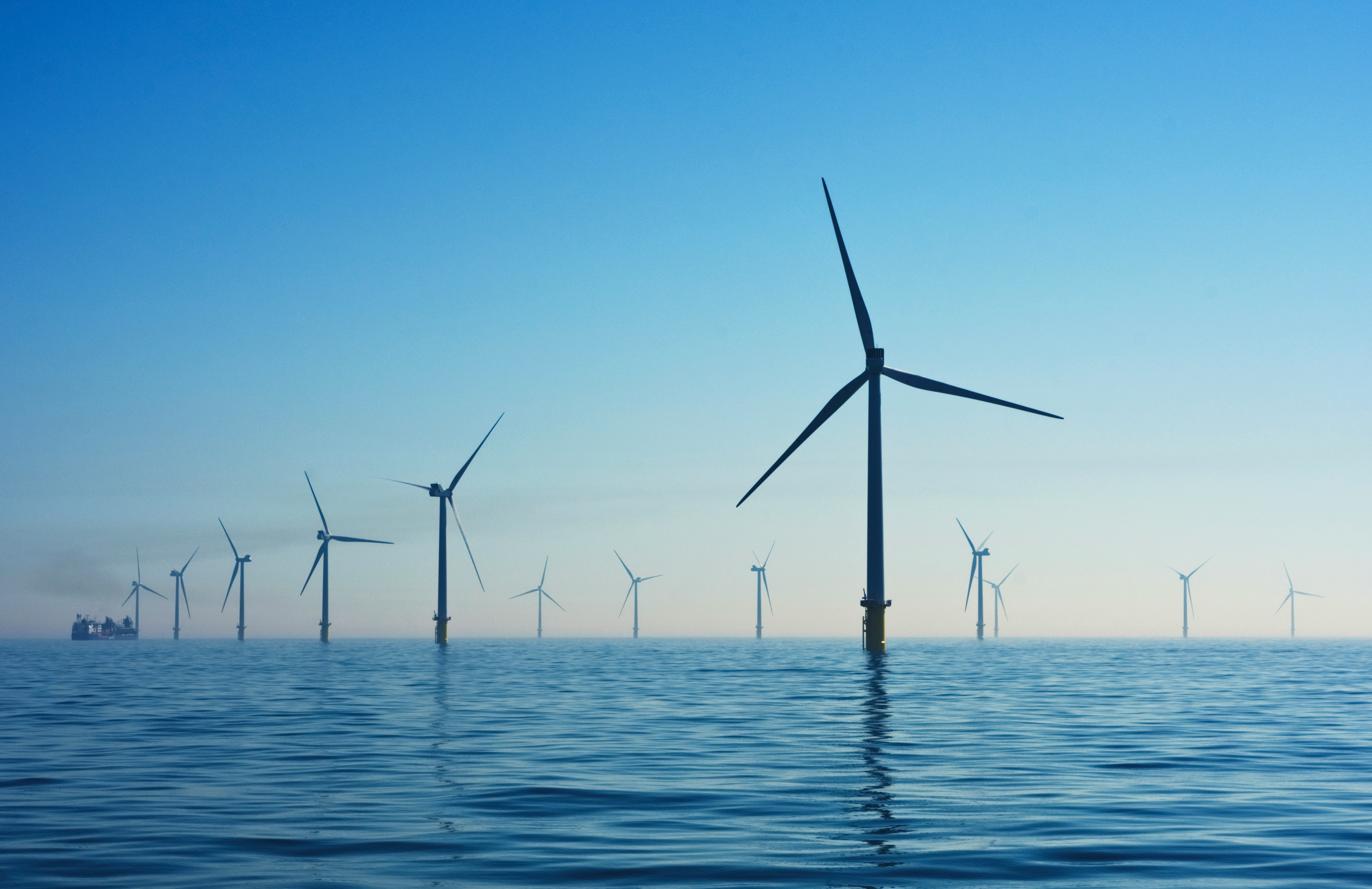
A leading green energy and wind farm operator manages a geographically distributed portfolio of onshore and offshore assets across Northern Europe. Its environment spans turbines, substations, transformers, industrial control systems, SCADA platforms, sensors, networking equipment, and the OT and IT infrastructure that keeps energy flowing to the grid.
Operations are supported by a mix of internal teams, OEMs, and third-party service providers. While the physical infrastructure is mission-critical, the digital foundation needed to manage it had not kept pace with scale, regulation, or risk.
Leadership recognized that operational resilience, cybersecurity, and regulatory confidence all depended on a single missing capability: a trusted, sustainable system of record for industrial assets.
The Challenge: Fragmented Visibility in a Highly Regulated Environment
The organization lacked a unified view of its OT environment. Asset data lived across spreadsheets, OEM portals, EAM tools, contractor documentation, and local site knowledge. Much of it was incomplete, inconsistent, or outdated.
More importantly, assets were documented as isolated devices rather than as part of a production hierarchy. Teams could not easily understand how individual components related to energy production, safety obligations, or grid delivery. These gaps created serious business risks:
- Elevated cybersecurity and compliance exposure under NIS2 and IEC 62443
- Increased downtime and longer MTTR due to poor dependency visibility
- Inefficient maintenance driven by tribal knowledge and duplicate site visits
- Weak lifecycle and capital planning, leading to surprise failures
- Slower, riskier incident response with unclear reporting obligations
- Limited fleet-level insight for leadership and long-term resilience planning
In a regulated Northern European energy environment, these limitations were no longer sustainable.
The Solution: ServiceNow OT as the Digital Backbone
The operator partnered with CoreX to implement ServiceNow OT as the authoritative system of record for its industrial environment. The solution focused on creating durable operational context, not just inventory.
ServiceNow OT Asset Management was established as the central platform consolidating OT and ICS asset data across turbines, substations, control systems, and supporting infrastructure. Continuous updates, governance, and workflow-driven operations connected IT, OT, security, and operations teams.
An ISA-95 equipment hierarchy was implemented within ServiceNow, structuring assets by enterprise, site, area, line, cell, and equipment. This transformed raw device data into production-aware intelligence, enabling teams to understand how assets support energy generation, safety, and grid obligations.
ServiceNow Vulnerability Management was extended into OT environments, allowing vulnerabilities to be prioritized based on both cyber risk and operational criticality. Remediation workflows aligned with maintenance windows and safety constraints.
Full OT asset lifecycle management was established, creating a closed-loop system from commissioning through maintenance, change, and end-of-life.
Why CoreX Made the Difference
This transformation required more than a platform implementation. CoreX brought a purpose-built OT practice focused exclusively on industrial and regulated environments. The team combined deep expertise in utilities, industrial cybersecurity, and ServiceNow’s data and workflow architecture.
CoreX also pioneered Service Graph Connectors for OT, enabling automated, repeatable ingestion of asset data from leading OT discovery and monitoring tools. This eliminated manual data drift and ensured long-term sustainability.
Advanced OT data planning and governance ensured asset models scaled across regions while meeting strict access control, segregation of duties, and critical infrastructure protection requirements common in Northern Europe.
The Results: Measurable Risk Reduction and Operational Gains
The program delivered clear, fleet-wide outcomes:
- A trusted OT system of record with greater than 95 percent asset accuracy
- Clear ownership, lifecycle status, and operational context for every asset
- Faster incident response through immediate visibility into impacted assets and dependencies
- Improved maintenance efficiency with better-informed work orders and fewer duplicate site visits
- Stronger cybersecurity posture with 100 percent of OT vulnerabilities prioritized by criticality
- Predictable lifecycle and capital planning across turbines and substations
- Fleet-wide visibility enabling faster onboarding of new wind farms
Operational and financial improvements followed:
- MTTR reduced by 20 to 30 percent
- Unplanned OT downtime reduced by 15 to 25 percent
- Maintenance cost per turbine reduced by 10 to 15 percent
- Time to regulatory and insurer reporting reduced by approximately 50 percent
The Transformation: From Fragmentation to Resilience at Scale
By establishing ServiceNow OT as a unified system of record and action, the wind operator shifted from reactive risk management to proactive operational resilience.
What was once a fragmented, spreadsheet-driven environment is now a governed, production-aware digital backbone. The organization gained regulatory confidence, improved reliability, and a scalable foundation for future digitalization, ESG alignment, and long-term energy resilience.