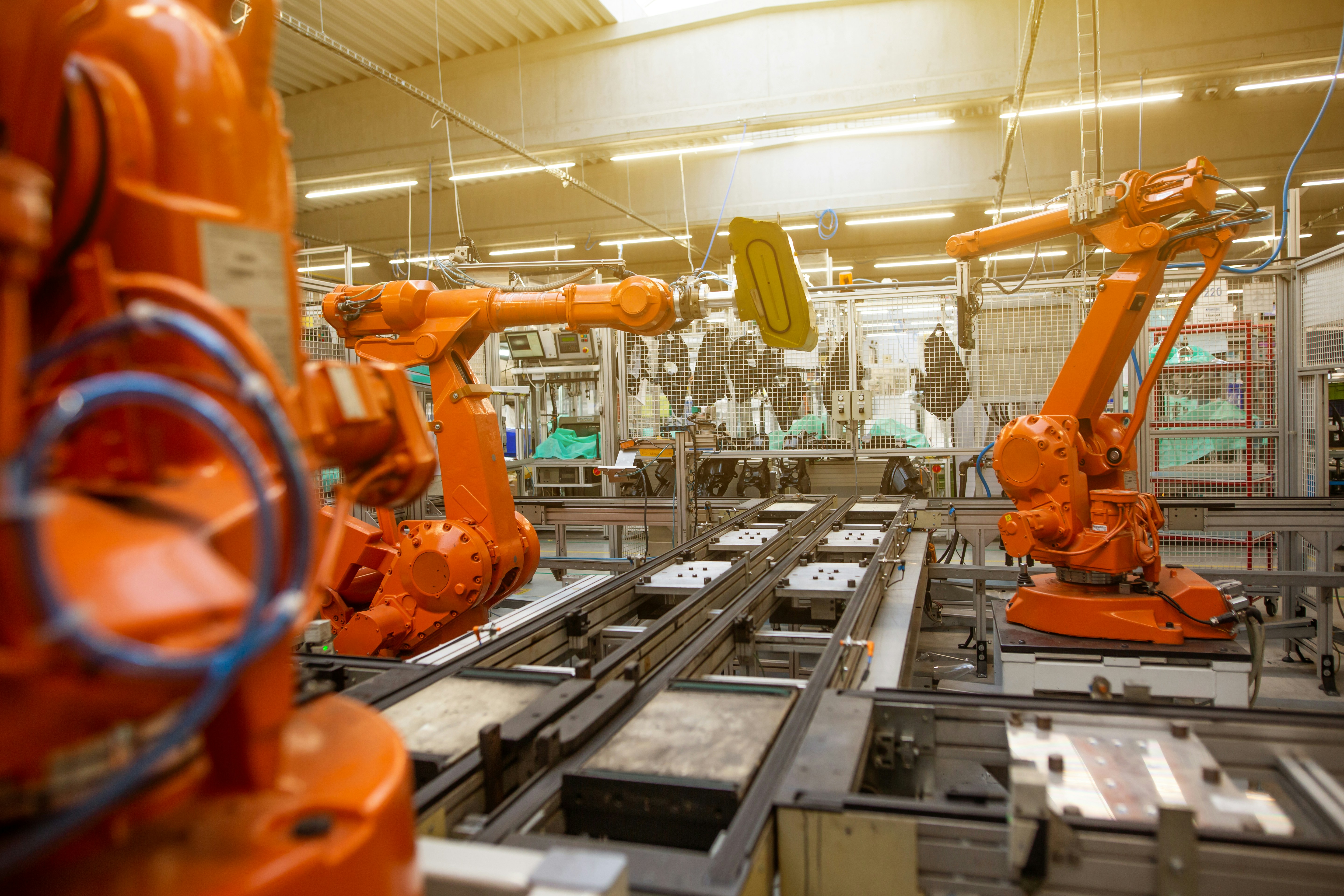
Manufacturing has spent decades pursuing automation. Robots weld, machines assemble, sensors monitor everything from vibration to temperature. By most measures, the factory floor is already one of the most technologically advanced environments in the modern enterprise.
And yet anyone who has spent time in manufacturing knows the quiet truth. Automation works beautifully until something unexpected happens.
The ideas explored in this article came together surprisingly quickly, considering much of this was still "bleeding edge" back in the fall. But the pace of innovation around AI agents is accelerating even further. ServiceNow is already introducing the next wave of capabilities, including Autonomous Workforce, the AI Control Tower, and EmployeeWorks, all of which point toward a future where digital agents can collaborate seamlessly across operations.
We will be exploring those developments in more detail in the coming weeks. For now, it is worth looking at what is already happening on manufacturing floors to remind ourselves of how quickly evolution happens in AI. Here are five ways AI agents have already reshaped how manufacturing floors operate.
1. Moving Beyond Scripted Automation
Traditional automation is built around rules. Systems follow predefined instructions and execute them with impressive precision.
The challenge appears when conditions drift outside the script. Manufacturing environments are full of small variables that accumulate over time. Equipment ages. Materials vary. Processes evolve. A workflow designed for one scenario can struggle when those variables stack up.
AI agents approach the problem differently. They evaluate the situation, interpret available information, and determine the next action based on context. Over time, they improve as they encounter new scenarios, learning from each situation rather than simply repeating the same instructions.
2. Handling the Kind of Complexity That Shows Up on Factory Floors
Most manufacturers have already invested heavily in automation, analytics, and monitoring systems. These tools generate enormous amounts of operational data.
The difficulty has never been collecting information. The difficulty has been interpreting it fast enough to make useful decisions.
AI agents help bridge that gap. They can review large volumes of documentation, system data, and historical records, then translate that information into practical guidance. Instead of requiring engineers or operators to sift through manuals or system logs, the system can surface relevant insights immediately.
3. Helping Operators Troubleshoot Equipment Faster
One CoreX pilot project explored a practical use case: helping floor operators diagnose and resolve equipment issues in a more efficient fashion.
The approach was straightforward. Equipment manuals were fed into NVIDIA AI models, creating a knowledge base that the system could search and interpret. At the same time, ServiceNow provided operational data about the machines themselves.
When an issue occurred, operators could receive troubleshooting guidance tied directly to the equipment and the specific problem they were facing. Instead of digging through documentation or escalating issues up the chain, they had relevant information available immediately.
4. Turning Hours of Investigation Into Minutes
Before implementing the AI-assisted system, diagnosing certain production line issues could take hours. Operators often needed to consult multiple sources of documentation, coordinate with technical specialists, or work through trial and error before identifying the root cause.
With AI agents analyzing equipment documentation and operational context, troubleshooting moved much faster. In many cases, the system could surface likely solutions in minutes, sometimes seconds, giving operators clear guidance on the next step.
The result was faster restoration of production lines and less time spent chasing down answers.
5. Connecting Data, Documentation, and Decisions in One Workflow
The real value of the pilot project came from how the technologies worked together. ServiceNow provided the operational data that grounded the system in real-world conditions. NVIDIA’s AI models enabled the system to interpret large volumes of technical documentation. Generative AI translated that information into clear instructions that operators could act on immediately.
Together, those capabilities created a workflow where information moved seamlessly from data to insight to action.
The Bigger Picture
AI agents didn't suddenly appear on manufacturing floors as a dramatic replacement for existing systems. They appeared quietly, in places where small improvements could make a meaningful difference.
In a short span of time, those improvements have added up. When operational data, documentation, and intelligent systems work together, manufacturers gain something that has long been difficult to achieve on the factory floor: Clarity for when the unexpected happens.