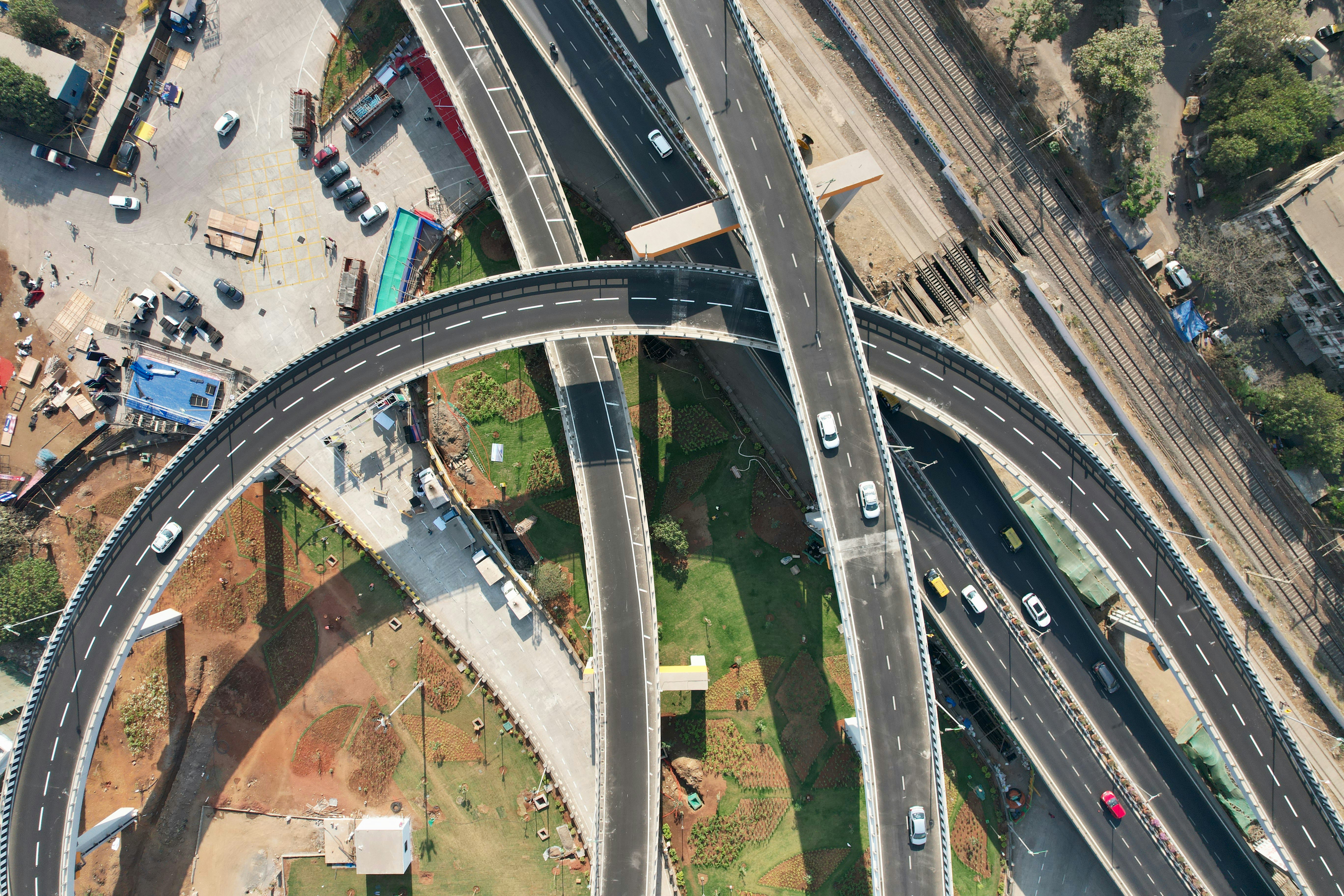
A global provider of smart transportation solutions plays a behind-the-scenes role in keeping cities moving safely. Its systems monitor traffic behavior such as speeding and red-light violations, capturing and processing images that support citation issuance and public safety programs.
These systems operate as critical infrastructure. Uptime, accuracy, and responsiveness directly affect both public safety outcomes and municipal revenue. As the organization scaled across regions, maintaining visibility into the health of this distributed environment became increasingly difficult.
Leadership recognized that while the technology capturing violations was sophisticated, the way system health was monitored and supported had not kept pace.
Challenge
System health monitoring relied heavily on manual processes. Technicians were dispatched to review issues reactively, often after failures had already occurred.
Without automated monitoring, system outages and degradation could go undetected for days or even weeks. These blind spots led to lost revenue, increased operational cost, and potential safety risks for municipal clients.
Support and diagnostic processes were disconnected. Data required to identify, triage, and resolve issues lived in multiple places, slowing response times and increasing dependency on specialized staff.
As deployments expanded, these inefficiencies compounded. The organization needed a proactive, automated way to manage system health across a highly distributed environment.
Solution
The organization partnered with CoreX to modernize system manageability using the ServiceNow platform, combined with IoT intelligence tailored to the operational environment.
Real-time asset visibility became the foundation. Monitoring was automated to detect anomalies, performance degradation, and failures as they occurred rather than after the fact.
Incident reporting was streamlined through automated workflows, allowing issues to be identified, routed, and addressed without manual intervention.
Support and diagnostics were unified into a single operational framework. Engineers gained immediate context into system status, root cause indicators, and resolution paths.
The solution was designed to reduce noise while increasing signal. Alerts were optimized so teams could focus on meaningful issues instead of reacting to volume.
Results
The operational impact was significant and measurable. The organization achieved strong overall return on investment within the first year, driven by automation and improved operational efficiency.
Regional revenue increased as improved system uptime enabled more consistent violation capture. A large portion of the engineering team was reassigned from manual monitoring and image review to higher-value work, improving both productivity and job satisfaction.
Real-time alerting and automated remediation dramatically reduced the time required to detect and resolve issues, improving service reliability across regions.
The combined effect was faster detection, lower operational cost, increased revenue, and a safer transportation infrastructure for clients.
Summary
What began as an effort to reduce manual monitoring evolved into a smarter operational model.
By unifying real-time monitoring, automated workflows, and proactive support on ServiceNow, the organization shifted from reacting to failures to preventing them.
The result was not only stronger operational performance but a scalable foundation capable of supporting continued growth in smart transportation services.