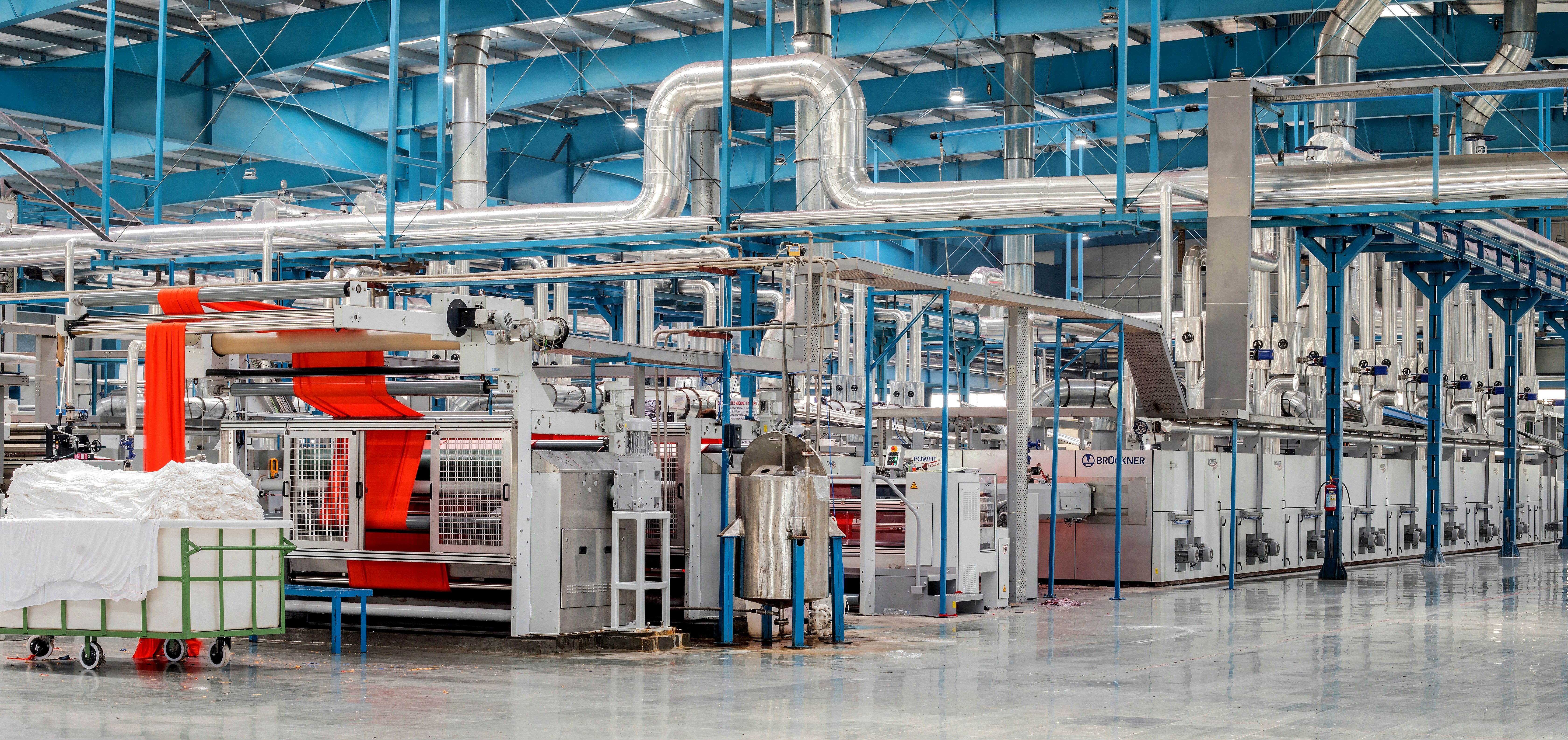
A global industrial manufacturer operating dozens of production facilities across multiple regions had long been recognized for innovation, scale, and operational excellence. Its plants supported a wide range of high-value products used across regulated and performance-critical industries, where uptime, quality, and safety were non-negotiable.
As the organization expanded globally, its operational complexity increased just as quickly. Local autonomy enabled plants to move fast, but it also introduced fragmentation. Critical knowledge, procedures, and system data lived in different tools, formats, and locations. What once worked at a smaller scale was now creating friction across the enterprise.
Leadership recognized that operational performance was no longer constrained by equipment or workforce capability. It was constrained by access to trusted information, delivered at the moment it was needed. That realization marked the beginning of a broader operational transformation.
Challenge
The organization faced a set of interrelated challenges that directly impacted efficiency, consistency, and resilience across its manufacturing footprint.
Operational knowledge existed, but it was not easily accessible. Teams relied on local documentation, tribal knowledge, and disconnected repositories that varied by site. Technicians often spent valuable time searching for information rather than applying it.
Mean time to repair continued to climb. When issues occurred, limited access to standardized procedures and historical context slowed diagnosis and extended downtime. The cost of these delays was amplified across high-throughput production environments.
Systems were deeply siloed. Data was segmented across ERP platforms, plant systems, and operational interfaces. Without integration, teams struggled to trust the information in front of them, leading to manual workarounds and inconsistent decision-making.
Standard operating procedures were difficult to distribute and enforce. Updates moved slowly, creating variation in execution and increasing operational risk across facilities.
Individually, each issue was manageable. Together, they revealed a systemic problem. The organization lacked a centralized, governed way to deliver operational knowledge at scale.
Solution
Rather than addressing symptoms in isolation, the organization took a deliberate step back. The goal was not simply faster repairs or cleaner documentation. It was to create a shared operational foundation that could support employees, systems, and processes consistently across all plants.
The organization selected ServiceNow as the platform to support this shift, using it as a centralized system for operational knowledge, workflow, and integration. The focus was placed on unifying how information was created, accessed, and acted upon across the enterprise.
Operational knowledge was centralized and aligned to plant-specific needs. Employees gained quick, reliable access to the information required to perform their roles effectively, without navigating multiple systems or outdated documents.
Workflows were standardized to reinforce consistency while still allowing flexibility at the site level. This balance helped reduce variation without disrupting local operations.
ServiceNow was integrated with existing enterprise and plant systems to improve data flow and visibility. By reducing silos, teams gained greater confidence in the information supporting operational decisions.
Throughout the journey, the emphasis remained on enablement rather than enforcement. The platform was designed to support how teams actually work, ensuring adoption and long-term sustainability.
Results
The impact of the transformation was felt quickly across the organization. Employees experienced faster access to trusted information, improving productivity and reducing frustration during time-critical situations.
Mean time to repair decreased as technicians could locate procedures, history, and context more efficiently, helping minimize equipment downtime and production disruptions.
Operational consistency improved across facilities as standardized workflows and procedures became easier to distribute, update, and follow. Decision-making accelerated as integrated systems enabled more reliable, data-driven insights across manufacturing operations.
Most importantly, the organization gained a scalable operational foundation. As new plants, systems, and processes were introduced, they could be incorporated into a single, governed model rather than adding to fragmentation.
Summary
What began as an effort to improve knowledge access evolved into a broader shift in how the organization viewed operations. Information was no longer treated as static documentation, but as a living operational asset.
By unifying people, process, and data through ServiceNow, the organization moved from reactive problem-solving to proactive operational control. The result was not just improved efficiency, but increased confidence in the systems supporting the business at scale.
This transformation positioned the organization to sustain performance today while remaining adaptable to the demands of tomorrow.